
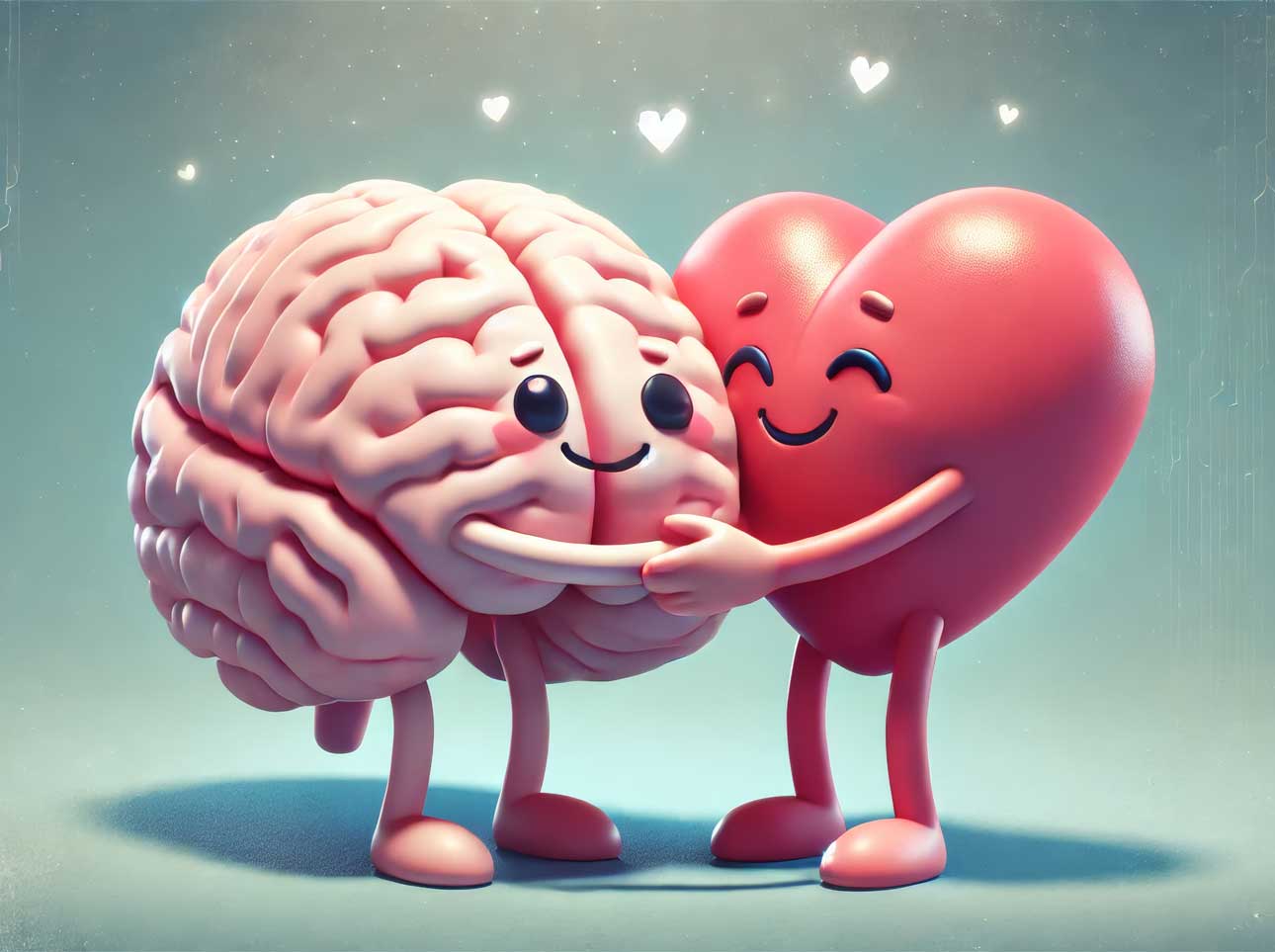
The Secret to Happiness (The Science of Gratitude)
Gratitude practice has been shown to trigger the release of dopamine and serotonin, key neurotransmitters responsible for feelings of happiness and contentment. As reported in Forbes, regularly expressing gratitude can strengthen these neural pathways, potentially creating a more permanent state of positivity. Research…
Neurochemical Effects of Gratitude
Gratitude practice has been shown to trigger the release of dopamine and serotonin, key neurotransmitters responsible for feelings of happiness and contentment. As reported in Forbes, regularly expressing gratitude can strengthen these neural pathways, potentially creating a more permanent state of positivity. Research from UCLA's Mindfulness Awareness Research Center suggests that consistent gratitude practice can induce long-lasting changes in brain function and structure, particularly in the brain's reward system.
Psychological Benefits
Reduced Anxiety and Depression
Gratitude has been linked to a significant reduction in symptoms of anxiety and depression. According to Positive Psychology, keeping a gratitude journal can lead to less stress, improved sleep quality, and enhanced emotional awareness. The practice of gratitude helps regulate the autonomic nervous system, contributing to better stress management and increased emotional resilience.
Enhanced Self-Esteem and Resilience
Forbes reports that gratitude can boost self-esteem and enhance positive emotions. By focusing on the good in our lives and acknowledging the kindness of others, we develop a more positive self-image and outlook on life. This heightened emotional regulation leads to reduced anxiety levels and improved coping mechanisms, ultimately resulting in greater emotional resilience.
Physical Health Improvements
Grateful individuals often report better sleep quality and potentially increased longevity. A study mentioned in Positive Psychology found that participants with high gratitude scores had a 9% lower risk of dying over a four-year period compared to those with low gratitude scores.
Practical Applications
Gratitude Journaling
One of the most effective ways to harness the power of gratitude is through regular journaling. Taking time each day to write down things you're thankful for can help manage stress and anxiety while increasing happiness.
Gratitude Letters
Writing and delivering letters of gratitude to people who have positively impacted your life can lead to significant increases in happiness, as noted in several studies reported by Positive Psychology.
In conclusion, the science is clear: gratitude is a powerful tool for cultivating happiness and improving overall mental health. Regularly practising appreciation can rewire our brains, enhance our psychological well-being, and potentially improve our physical health, leading to a more joyful and fulfilling existence.
References & Citations
[1] https://www.mindful.org/the-science-of-gratitude/
[2] https://www.forbes.com/sites/tracybrower/2021/04/25/gratitude-is-a-key-to-happiness-4-reasons-why/
[3] https://positivepsychology.com/neuroscience-of-gratitude/
[4] https://www.verywellmind.com/how-gratitude-makes-you-happier-5114446
[5] https://www.health.harvard.edu/healthbeat/giving-thanks-can-make-you-happier
[6] https://positivepsychology.com/gratitude-happiness-research/
[7] https://rfcommunityconnections.org.uk/blog/gratitude-the-science-of-happiness/
[8] https://greatergood.berkeley.edu/article/item/how_gratitude_changes_you_and_your_brain [9] https://www.health.harvard.edu/blog/gratitude-enhances-health-brings-happiness-and-may-even-lengthen-lives-202409113071
Neurochemical Effects of Gratitude
Gratitude practice has been shown to trigger the release of dopamine and serotonin, key neurotransmitters responsible for feelings of happiness and contentment. As reported in Forbes, regularly expressing gratitude can strengthen these neural pathways, potentially creating a more permanent state of positivity. Research from UCLA's Mindfulness Awareness Research Center suggests that consistent gratitude practice can induce long-lasting changes in brain function and structure, particularly in the brain's reward system.
Psychological Benefits
Reduced Anxiety and Depression
Gratitude has been linked to a significant reduction in symptoms of anxiety and depression. According to Positive Psychology, keeping a gratitude journal can lead to less stress, improved sleep quality, and enhanced emotional awareness. The practice of gratitude helps regulate the autonomic nervous system, contributing to better stress management and increased emotional resilience.
Enhanced Self-Esteem and Resilience
Forbes reports that gratitude can boost self-esteem and enhance positive emotions. By focusing on the good in our lives and acknowledging the kindness of others, we develop a more positive self-image and outlook on life. This heightened emotional regulation leads to reduced anxiety levels and improved coping mechanisms, ultimately resulting in greater emotional resilience.
Physical Health Improvements
Grateful individuals often report better sleep quality and potentially increased longevity. A study mentioned in Positive Psychology found that participants with high gratitude scores had a 9% lower risk of dying over a four-year period compared to those with low gratitude scores.
Practical Applications
Gratitude Journaling
One of the most effective ways to harness the power of gratitude is through regular journaling. Taking time each day to write down things you're thankful for can help manage stress and anxiety while increasing happiness.
Gratitude Letters
Writing and delivering letters of gratitude to people who have positively impacted your life can lead to significant increases in happiness, as noted in several studies reported by Positive Psychology.
In conclusion, the science is clear: gratitude is a powerful tool for cultivating happiness and improving overall mental health. Regularly practising appreciation can rewire our brains, enhance our psychological well-being, and potentially improve our physical health, leading to a more joyful and fulfilling existence.
References & Citations
[1] https://www.mindful.org/the-science-of-gratitude/
[2] https://www.forbes.com/sites/tracybrower/2021/04/25/gratitude-is-a-key-to-happiness-4-reasons-why/
[3] https://positivepsychology.com/neuroscience-of-gratitude/
[4] https://www.verywellmind.com/how-gratitude-makes-you-happier-5114446
[5] https://www.health.harvard.edu/healthbeat/giving-thanks-can-make-you-happier
[6] https://positivepsychology.com/gratitude-happiness-research/
[7] https://rfcommunityconnections.org.uk/blog/gratitude-the-science-of-happiness/
[8] https://greatergood.berkeley.edu/article/item/how_gratitude_changes_you_and_your_brain
center top no-repeat
Let's Work Together
Ready to Build Something Remarkable?
Whether you need a bespoke website, a full digital marketing strategy, or a technical partner who understands business — I'm here.